Healing  ✶  Plant Medicine  ✶  Innovation  ✶  Research  ✶  Education  ✶  Life Skills  ·  Canada

Realizing the
Full Potential
for ALL.

◇

Bringing together clinical expertise, Indigenous knowledge systems, academic research, and authentic communication to build a fuller understanding of healing.

"Bringing together clinical expertise, Indigenous knowledge systems, academic research, and authentic communication to build a fuller understanding of healing."

What We Do

Our Programs

Four programs, one purpose — empowering people, their families, and their communities to get their lives back.

Indigenous Leadership
Honouring the Medicine
We respect Indigenous culture for holding this wisdom and knowledge for millennia, often at great cost. We support Indigenous leaders and knowledge keepers to lead their own healing work — resourcing it, protecting it, and having sovereignty over how it is shared. We align with the interconnectedness of existence contained in an Indigenous worldview, where every part of the universe is linked together. All my relations.
Program details below ↓
Training & Education
Full Self-Expression
Once the pathways are clear and the trauma has been addressed, stepping into full potential is completely possible. Our training and development work lives in language — building the communication skills that allow people to become fully self-expressed, and in turn bring their families and communities back together. These are proven systems, developed and refined over decades. Returning the heart space into the forefront of the way of being.
Learn more →
First Responders Program
Behind the Frontline
Paramedics, firefighters, police, and emergency workers see what the rest of us are protected from. The toll shows up as PTSD, burnout, and splintered family units, with suicide rates far above the general population, while the system built to treat them is outdated. The program runs on a buddy system, similar to how responders support each other on the job — responders leading responders, supporting each other through the healing process. We research multi-modality healing, including plant medicines, and build the evidence to transform how they are taken care of.
Program details below ↓
Research & Knowledge
Evidence for the Future
We study the impact of plant medicines and psychedelic compounds to treat trauma-related mental illness, using today's technology to track results in real time and continue to track qualitative outcomes for up to a year. This work has ethical oversight, published for health and wellness professionals and made freely available to the general public.
Learn more →
Our Approach

Four Pillars of Understanding

Each program, study, and partnership rests on four foundations that cannot be separated.

I
Clinical Expertise
A multi-modality approach bringing person-centred clinical care, rigorous scientific approaches, harm reduction and evidence-based protocols to plant medicine therapies across all our programs, to ensure safety and integrity.
II
Indigenous Knowledge
We honour Indigenous knowledge keepers as they take their rightful place as spiritual leaders, with deep gratitude for the courage and resilience it took to carry this wisdom. What has been kept is vital to the healing and transformation of the human family.
III
Academic Research
Empirical qualitative data collection and knowledge translation to build a strong, credible evidence base — informing public policy, healthcare systems, and community benefit.
IV
Education & Training
Research alone doesn't change how a person shows up in their life. With our partners, we empower individuals and give them tools that work, investing in the communication skills that help people rebuild their relationships, self-awareness, and sense of possibility. Research gives us the roadmap, training teaches the skills to navigate, and love is the catalyst that makes it happen.
Our Belief

Word creates
the world.

How we speak to ourselves and to one another shapes what we are capable of. Healing begins in language, ceremony, and relationship — and it becomes real one person at a time.

About FPCF

Authorized to Research.
Committed to Share.

The Full Potential Communities Foundation has been authorized by the Canada Revenue Agency to promote mental health and wellbeing; provide classes and trainings to develop essential life skills; and to conduct and publicly disseminate research into the efficacy of traditional Indigenous plant medicines and experimental treatments for mental health and well-being in Canada.

Our model brings together clinical expertise, Indigenous knowledge systems, and academic research methodologies to build a fuller understanding of therapeutic potential — grounded in cultural respect, ethical integrity, and scientific rigour.

Plant medicine is one piece of a larger container. Multiple modalities, training and development, and the willingness participants bring with them all work together — and what we see, again and again, is people living fulfilled lives, along with their families and communities.

The findings generated through this work are made publicly accessible to support informed dialogue among researchers, policymakers, healthcare professionals, and the broader community.

Read our full mandate →
Registered
Charity
CRA Registration No. 770990935 RR0001 — authorized to conduct and publish research publicly
4
Active programs — Training & Education, Research, Indigenous Leadership, First Responders & Emergency Workers
6
Months of wellness tracking after every program closes
Our Research

Focus Areas

Conditions where plant medicine and psychedelic-assisted approaches show the greatest promise — and where the evidence gap is most urgent to fill.

Mental Health
Depression, Anxiety & Problematic Substance Use
Investigating plant-medicine approaches for conditions affecting many across all communities: treatment-resistant depression, chronic anxiety, addiction, and problematic substance use.
Trauma
PTSD & Intergenerational Trauma
Exploring psychedelic-assisted therapies for processing colonial, ancestral, and occupational trauma.
Cultural Integrity
Ethics & Indigenous Sovereignty
Ensuring all research upholds cultural respect, ethical integrity, and reciprocal relationships with Indigenous knowledge keepers at every stage.
Knowledge Translation
Public Dissemination
Making findings publicly accessible to support informed dialogue among researchers, policymakers, healthcare professionals, and communities.
How We Work

Research Methodology

We have created a state-of-the-art data collection system that supports the research studies of our clients — tracking qualitative outcomes across program and beyond.

Qualitative Data
Understanding the Whole Person
We collect qualitative data — a method used to explore and understand human behaviour. It asks questions about how people are, evaluating quality of life, behaviour, and insights; examining their lives before treatment and after. Our data collection system will also give somatic information on how the body is responding, providing the opportunity to track physiological markers alongside the lived experience.
Privacy & Sovereignty
PIPA Compliant & OCAP® Aligned
Our systems are PIPA compliant to ensure complete anonymity. Research involving First Nations and Indigenous community members is developed in alignment with OCAP® principles — Ownership, Control, Access, and Possession — recognising that Indigenous communities hold authority over data about their own people.
Clinical Integration
Integration Circles & Support
Participants are supported through a structured integration protocol: weekly online circles for the first six weeks, then bi-weekly for the remainder of the tracking period. Each circle is led by a qualified clinician, with research data collected at every touchpoint.
Public Benefit
Findings Made Freely Available
Findings are reported publicly under the FPCF charitable mandate — made freely available to the general public and published for health and wellness professionals.
Participant Journey
From Enrolment to Evidence
Baseline
Enrolment
Research consent obtained separately from program enrolment. Clinical instruments administered.
Program
Active Program
Participant engages in the program under clinical supervision.
Close
Program Close
Clinical instruments re-administered. Outcomes recorded at close.
Weeks 1–6
Weekly Circles
Weekly integration circles facilitated by a qualified clinician. Data collected.
Weeks 7–26
Bi-Weekly Tracking
Bi-weekly circles continue alongside three-times-weekly wellness tracking.
Annually
Public Reporting
Anonymized findings published in a plain-language outcomes summary.
Accountability

Research Governance

Independent oversight is what separates credible research from anecdote. Here is how ours is structured.

Clinical Leadership
Research Clinician
Tap to read →
Research is led by a qualified Research Clinician holding an RCC or equivalent credential, with documentation maintained on file.
Independent Review
Oversight Committee
Tap to read →
A three-member committee — the Research Clinician, one FPCF board member, and a university research advisor — meets twice annually and maintains documented minutes.
Academic Partnership
University Oversight
Tap to read →
University research oversight is in place, with a letter of support held on file. The dataset is structured to meet Research Ethics Board (REB) review requirements.
Organisational Separation
Two distinct entities
FPCF and its vendor partners operate as separate organisations. Research consent is obtained by FPCF independently of program enrolment, so no participant is asked to trade one for the other.
Data Custody
Research data stays with FPCF
All research data is held by FPCF, anonymized by participant ID, and not accessible to our vendor partners. Findings are reported publicly under the FPCF charitable mandate.
Privacy by Design

Data Management

Participant privacy is built into the architecture, not bolted on afterwards. Identity and research data are never held together.

Clinical Operations
Operational System
Day-to-day clinical and program workflows are managed in GoHighLevel, which holds participant contact and care information.
Research Dataset
Anonymized Records
The research dataset lives separately in Airtable, containing anonymized outcome data structured for academic export.
The Firewall
Linked by ID Only
Personal identifying information and research data sit in separate tables linked only by a participant ID — so research can proceed without exposing who anyone is.

Research involving First Nations and Indigenous community members is developed in alignment with OCAP® principles — Ownership, Control, Access, and Possession — recognising that Indigenous communities hold authority over data about their own people.

Bald eagle, representing the peoples of the North Eagle · North
An Andean condor soaring above the snow-capped peaks of the Andes, the Condor of the South Condor · South
The Eagle & The Condor

When the Eagle of the North and the Condor of the South fly together, the peoples come back into balance.

Leadership

Our Board

The people guiding FPCF's mission — bringing together expertise in nonprofit leadership, research, Indigenous knowledge, and community health.
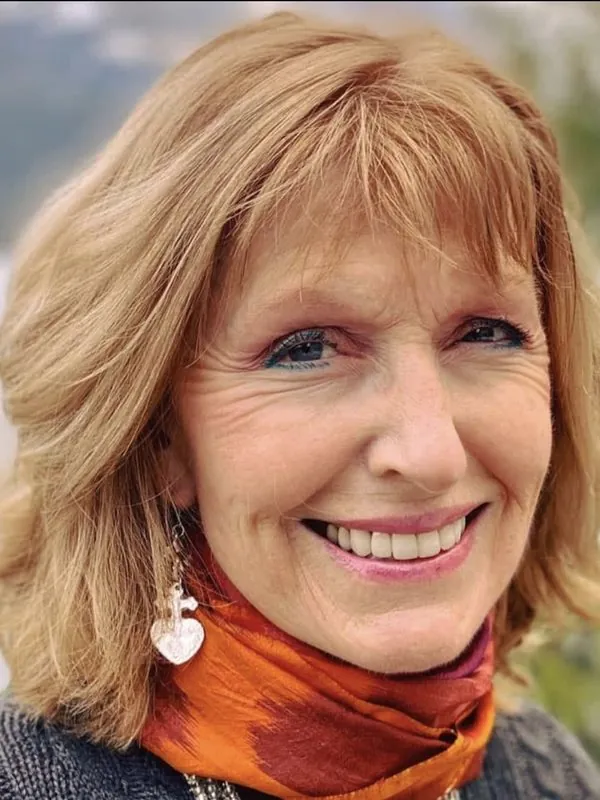
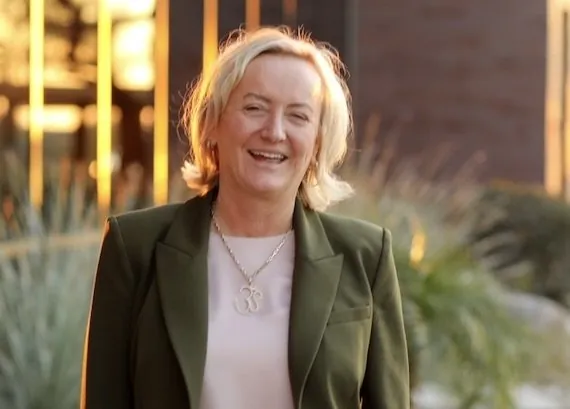
Gillian Maxwell
Gillian Maxwell
Co-Founder & CEO
Born in England and based in Vancouver since 1976, Gillian has spent more than 25 years working at the intersection of social justice, public health, and consciousness studies. Appointed to the Vancouver Police Board in 1999, she collaborated with Mayor Philip Owen to advance harm reduction strategies — work that helped pave the way for Insite, North America's first supervised injection site. She earned the Queen's Diamond Jubilee Medal for Community Service in 2012, and co-founded both the Canadian Drug Policy Coalition and the Psychedelic Association of Canada. A trained mediator and trauma-informed facilitator, Gillian brings decades of policy influence, community leadership, and compassionate systems thinking to the Foundation.
gillianmaxwell.com →
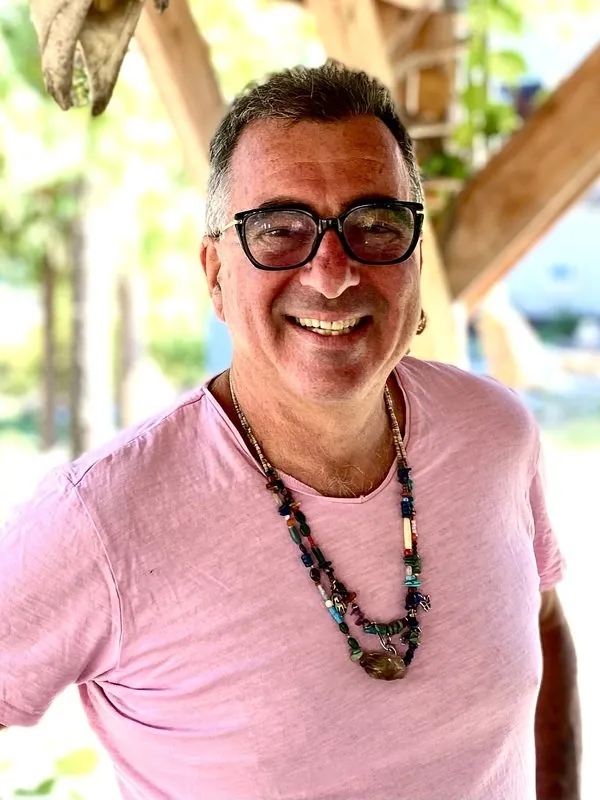
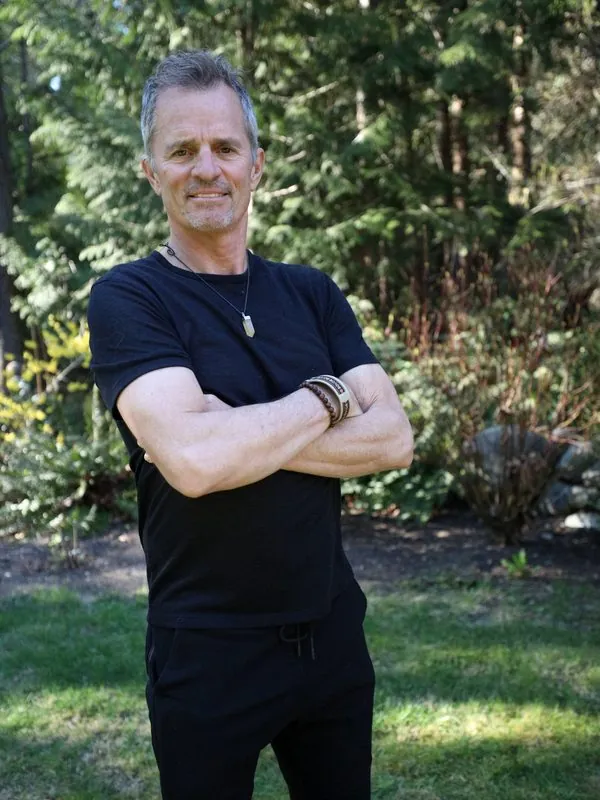
Brent Martin
Brent Martin
Director
Raised in the forests and mountains of Vancouver's North Shore, Brent developed an early connection to nature that continues to shape his life's work. After studying Fish and Wildlife, pursuing adventures and expeditions around the world, and leading his family's business for more than three decades, his focus evolved toward supporting human healing, growth, and transformation. Today, Brent designs and facilitates immersive experiences that bring together mindfulness practices, breathwork, nature-based learning, adventure, and emerging approaches to wellness. His work is rooted in the belief that nature is both a teacher and a catalyst for personal and collective healing. Through his involvement with the Full Potential Communities Foundation, Brent is passionate about exploring the intersection of Indigenous wisdom, contemporary research, and community-based approaches to well-being. He is particularly committed to supporting First Responders and others facing significant life challenges, helping create environments where individuals can reconnect with themselves, their communities, and a deeper sense of purpose.
xcamp.ca →
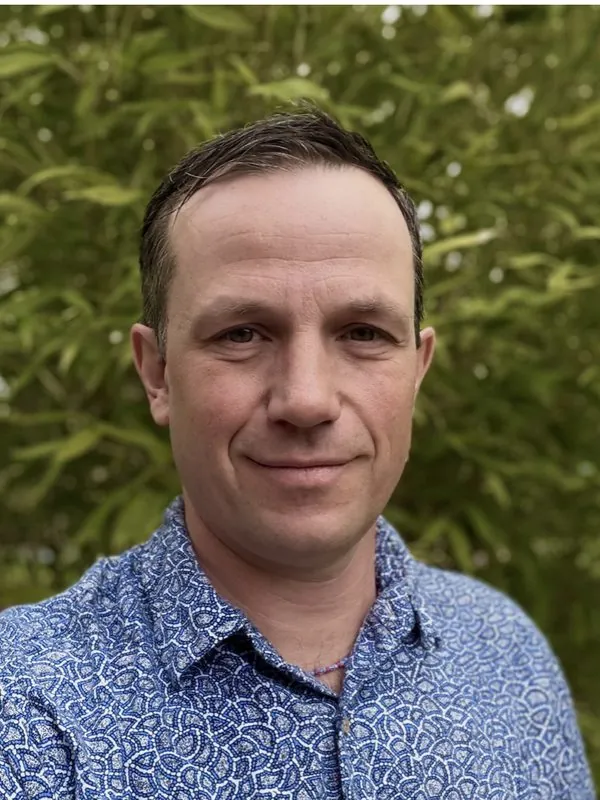
Garret Schumacher
Garret Schumacher
Director
Garret brings curiosity, integrity, and practical leadership to his work and service. Raised on Vancouver Island, he developed a lifelong connection to the forests, oceans, and cultures of the Pacific Northwest, complemented by extensive travel throughout Asia and the Americas. Introduced to Gillian and Richard in 2016, he was inspired by their vision for the Sentinel and its mission to realize the full potential of humanity, and has followed their work closely since. Garret has owned and operated a successful plumbing and mechanical company for over 19 years. He also served nine years with Squamish Search and Rescue, including on its Board of Directors during its transition from the Squamish Emergency Program. He lives in Squamish with his wife of 21 years and their two daughters. His interests include music, business, finance, ontology, and Buddhist philosophy.
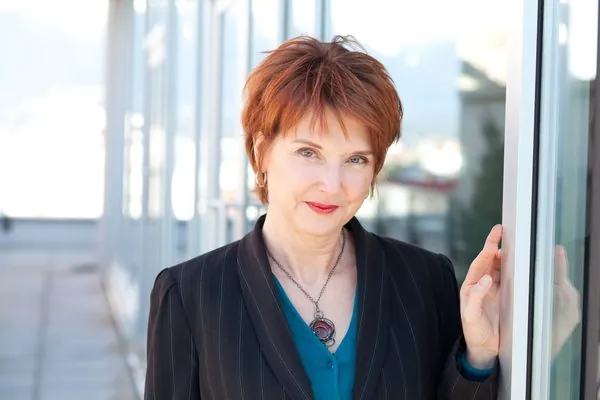
Leslie Hoffman
Leslie Hoffman
Director
A nonprofit executive and development leader with extensive experience guiding mission-driven organisations through growth, transition, and strategic transformation. Leslie has held senior leadership roles across Canada and the United States and is known for building strong relationships with boards, donors, and community partners — helping organisations navigate complex change while maintaining financial stability and cultural strength. She is drawn to work at the intersection of wellness, system change, and policy influence.
LinkedIn →
Treya Klassen
Treya Klassen
Board Member
A brand strategist and entrepreneur with over three decades of experience building industry-defining brands — including Nike, Lululemon, Arc'teryx, Canada Goose, and Adidas. Treya contributed to the development of the Nike Air Sole and has led major brand turnarounds across the industry. As Founder and CEO of Dehoco (Design House Collective), she specializes in evidence-based investing firms, with over 130 financial firm engagements and 200 advisors coached on brand, leadership, and growth. A Communication Course Leader for 27 years, she coaches over 140 entrepreneurs weekly. In 2024, she founded Ritual Urban Retreat in Vancouver — a wellness studio rooted in human performance and intentional living.
Guidance & Counsel

Advisors to the Board

Richard Kay
Richard Kay
Born in New Zealand in 1959, Richard's career spans hospitality, design, construction, and integrative healing. At 27, he led logistics for the 1986 Great Peace March across the United States, feeding over 1,000 marchers daily. In 2018, he co-founded The Sentinel Wellness and Retreat Centre in Kaslo, BC — a sanctuary that has since hosted thousands of guests. A Medicine Carrier trained in traditional ceremonies and a published author, Richard blends Indigenous teachings, somatic practices, and modern psychology. He created innovative programs including the multi-modality First Responders Healing Program, and served as a founding board member of the Psychedelic Association of Canada, advocating for the Declaration of Unity and Healing of All Nations.
Erin Kurbis
Erin Kurbis
Advisor
Erin brings together a background in biomedical physiology and kinesiology, entrepreneurship, leadership, and somatic and trauma-resolution work. She has always been drawn to exploring and weaving together different worlds, and her lifelong curiosity, connection to nature, and extensive travel have shaped a passion for learning from different cultures and perspectives. Her own healing journey sparked a deeper interest in the intersection of science, spirituality, and Eastern, Western, and traditional approaches to wellness. Erin has launched multiple ventures and spent more than 15 years coaching startup founders and seasoned entrepreneurs. Drawing on her experience across science, psychology, leadership, and business strategy, she brings an integrated perspective to helping others expand beyond what they believe is possible.
Patrick Finucane
Patrick Finucane
Advisor
Patrick has spent more than 40 years working alongside CEOs and senior leadership teams, helping organizations navigate growth, solve difficult business problems, and communicate with greater clarity. His experience spans strategy, leadership, organizational development, and executive communication. He believes better decisions begin with clearer thinking — working closely with leaders to simplify complex issues, challenge assumptions, and help organizations move forward with confidence.
Research✶Integration✶Healing✶Sovereignty✶Community✶First Responders✶Indigenous Communities✶Research✶Integration✶Healing✶Sovereignty✶Community✶First Responders✶Indigenous Communities✶
Investment Opportunity

For Funders

A platform for transforming how trauma is treated — where science, Indigenous knowledge, policy innovation, communication, and human healing converge.

The Opportunity

Canada and North America are facing a serious mental health crisis — particularly among First Responders and Indigenous communities.

Conventional treatment models are failing to produce sustained recovery for trauma, PTSD, and addiction. At the same time, emerging research and lived experience are demonstrating that integrated, trauma-informed, and culturally grounded healing models can achieve significantly improved outcomes. The Full Potential Communities Foundation exists to bridge this gap.

Populations in Crisis
First Responders · Indigenous Communities — populations where need is urgent, existing systems are failing, and funders are actively seeking solutions.
The Gap
Conventional models produce limited sustained recovery. Integrated, trauma-informed, culturally grounded approaches are demonstrating significantly improved outcomes.
What Makes FPCF Distinct
01
Integrated Healing Model
Evidence-based psychotherapy combined with somatic practices, Indigenous traditional knowledge, and — where appropriate — psychedelic-assisted modalities.
02
Built-In Research & Data Platform
Longitudinal tracking, biometric data collection, and measurable outcomes — positioning this work as credible, fundable, and scalable.
03
Proven Operational Base
Through established clinical partnerships: approximately 1,000 clients served annually, established programs, trained facilitators, and deep Indigenous partnerships.
04
Focus on Underserved Populations
First Nations communities and First Responders — the populations where the need is most urgent and funders are most actively seeking solutions.
Core Funding Pillars
Pillar A
First Responders PTSD Program
A 12-month integrated recovery model combining residential treatment and long-term support — addressing one of Canada's most urgent mental health crises with measurable, scalable outcomes.
Why It Matters
  • Addresses one of Canada's most urgent mental health crises
  • Designed for measurable, scalable outcomes
Best-Fit Funders
  • Veterans & first responder foundations
  • Corporate health funders
  • Mental health philanthropies
Pillar B
Indigenous Healing Initiative
A 5-year community-based healing programme developed in partnership with Indigenous leaders — addressing intergenerational trauma at its roots and aligning with reconciliation and Indigenous-led solutions.
Why It Matters
  • Addresses intergenerational trauma at its roots
  • Aligns with reconciliation and Indigenous-led solutions
Best-Fit Funders
  • Indigenous health funders
  • Social justice foundations
  • Government & reconciliation funding streams
Pillar C
Research & Data Platform
Development of a new evidence base for trauma recovery models — enabling policy change, unlocking large-scale institutional funding, and validating outcomes beyond anecdotal evidence.
Why It Matters
  • Enables policy change
  • Unlocks large-scale institutional funding
  • Validates outcomes beyond anecdotal evidence
Best-Fit Funders
  • Research institutions
  • Health innovation funders
  • Government agencies
Why Invest Now
FPCF is at an inflection point
  • Programs are designed and ready to scale
  • Partnerships are actively forming
  • Public awareness of trauma and alternative healing is rising
  • Policy environments are beginning to shift
Early funders can
  • Shape a new national model for mental health care
  • Support high-impact, measurable outcomes
  • Align with a rapidly emerging field of innovation
We Are Seeking
Multi-year partnerships, pilot programme investment, research collaboration, and strategic philanthropic partners who share our commitment to lasting change.
Multi-Year Funding Partnerships
Pilot Programme Investment
Research Collaboration
Strategic Philanthropic Partners
Get In Touch →
News & Updates

From the Foundation

2025
CRA Authorization & Research Mandate Confirmed
FPCF receives formal authorization to conduct and publicly disseminate plant-medicine research across Canada.
2025 · Partnership
Declaration of Unity and Healing
Inviting national and international Indigenous leaders to unite behind a Declaration calling for rightful access to ceremonial plant medicines — acknowledging wisdom keepers and restoring sovereign healing pathways.
2025 · New Program
Indigenous Healing Initiative
Aligned with reconciliation and Indigenous-led solutions. A 5-year community-based healing program developed in partnership with Indigenous leaders addresses intergenerational trauma at its roots in one community, with an eye to expanding across Canada.
2026 · New Program
First Responders & Emergency Workers Program
FPCF expands its mandate to include dedicated plant medicine research for first responders and emergency workers experiencing service-related trauma.
2026 · New Funding
Living from the Heart
A $1 million gift was received to provide scholarships for participants to access personal development and training worldwide. Returning the heart space into the forefront of the way of being.